New Forest Astro
The Journal
Capture notes, session write-ups, and equipment guides — everything behind the images in the gallery.
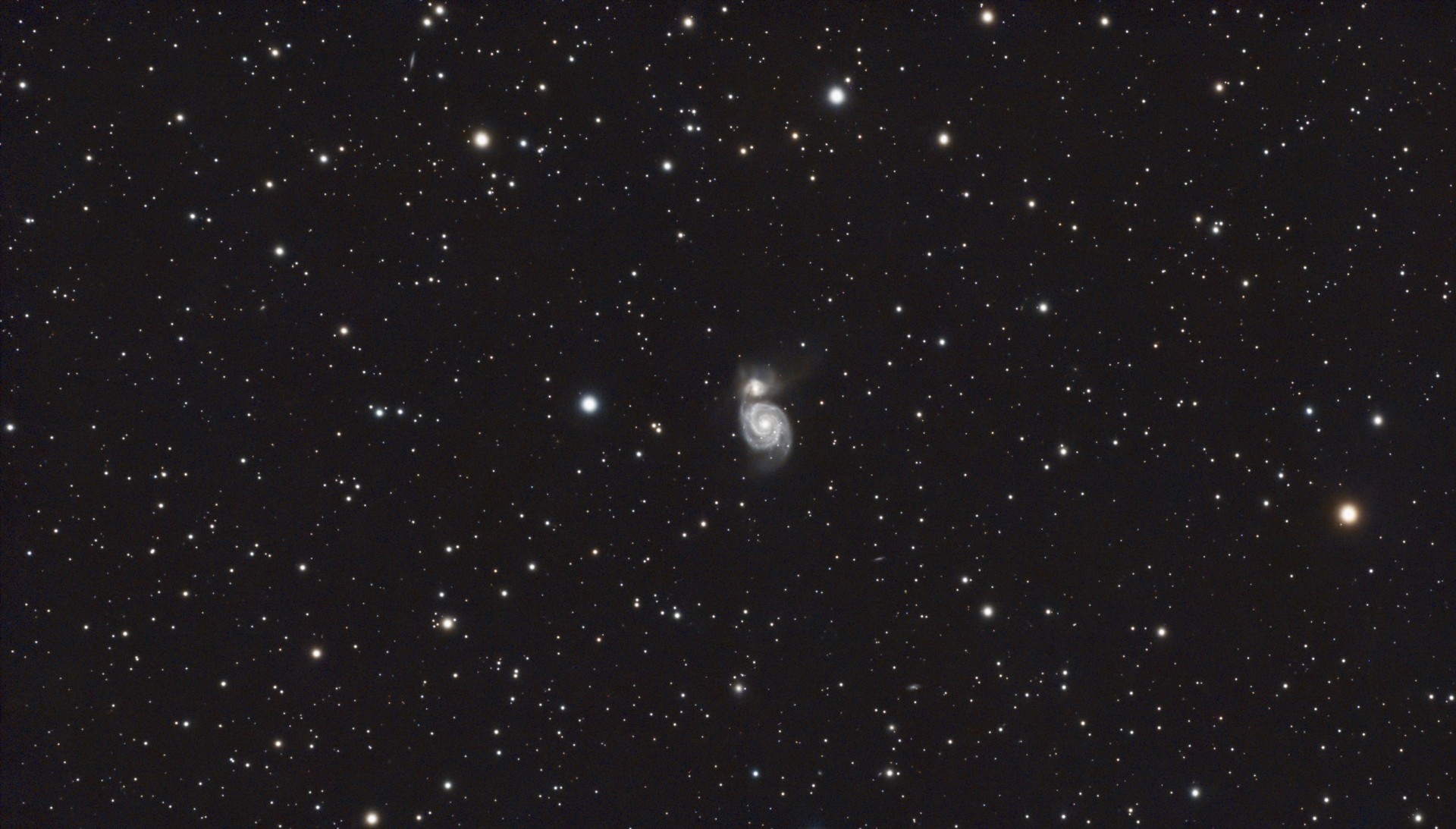
M51 — The Whirlpool Galaxy on Both Telescopes
One of the most famous interacting galaxy pairs in the sky, captured simultaneously on the DWARF 3 and DWARF Mini in the same session. 150 stacked frames, 30-second subs — and a side-by-side comparison that shows exactly what the two scopes do differently.
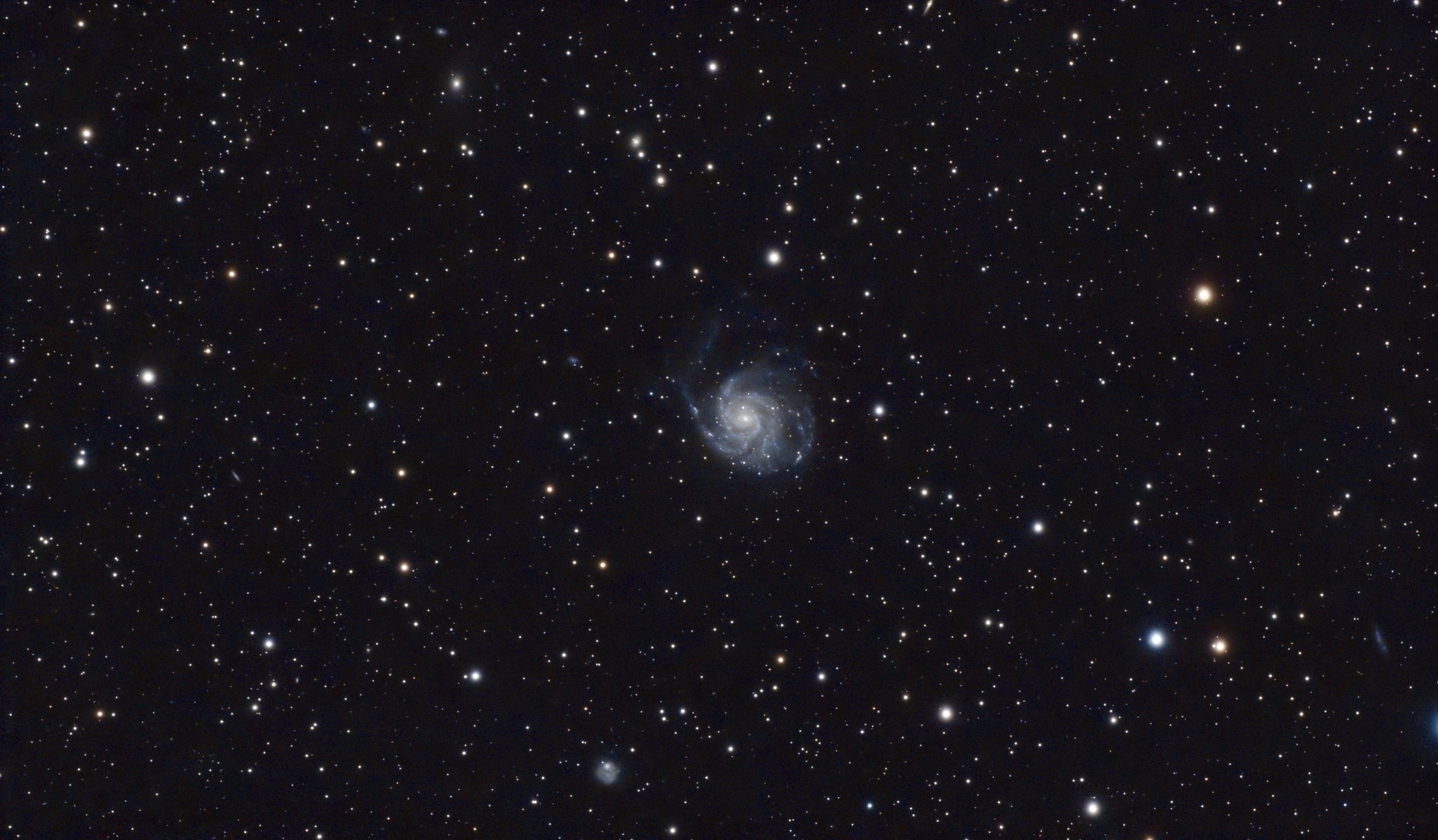
M101 — The Pinwheel Galaxy from the New Forest
Galaxy season arrives and M101 delivers. 250 stacked frames at 45 seconds each — over three hours of integration on one of the sky's finest face-on spirals, captured from Bortle 4 with the DWARF 3 running completely unattended.
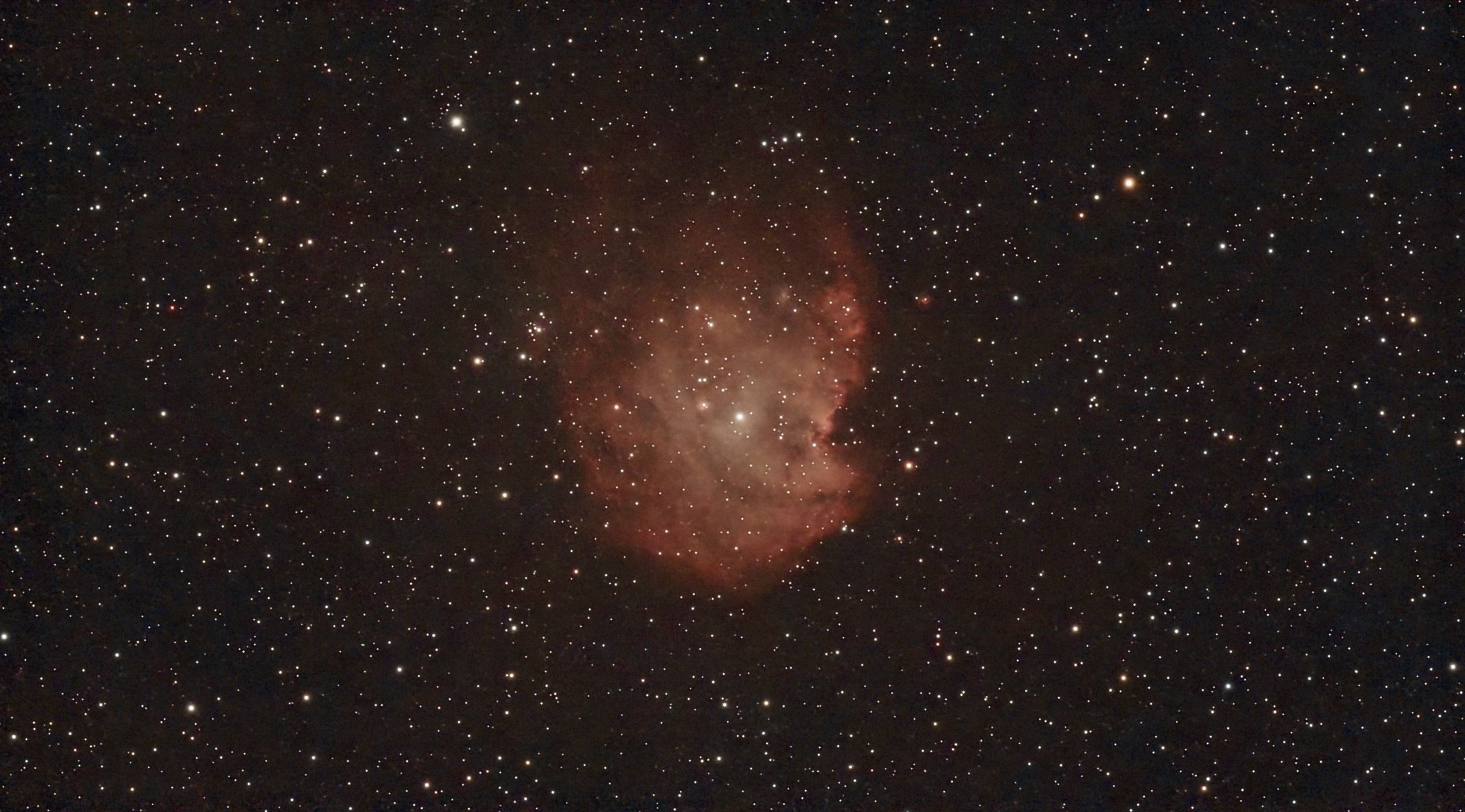
The Monkey Head Nebula — First Light for the DWARF Mini
NGC 2174 in Orion — sculpted pillars, a glowing hydrogen core, and the perfect target for the DWARF Mini's debut session. Here's how 2.5 hours of narrowband integration from Bortle 4 produced the Mini's first serious deep-sky image.
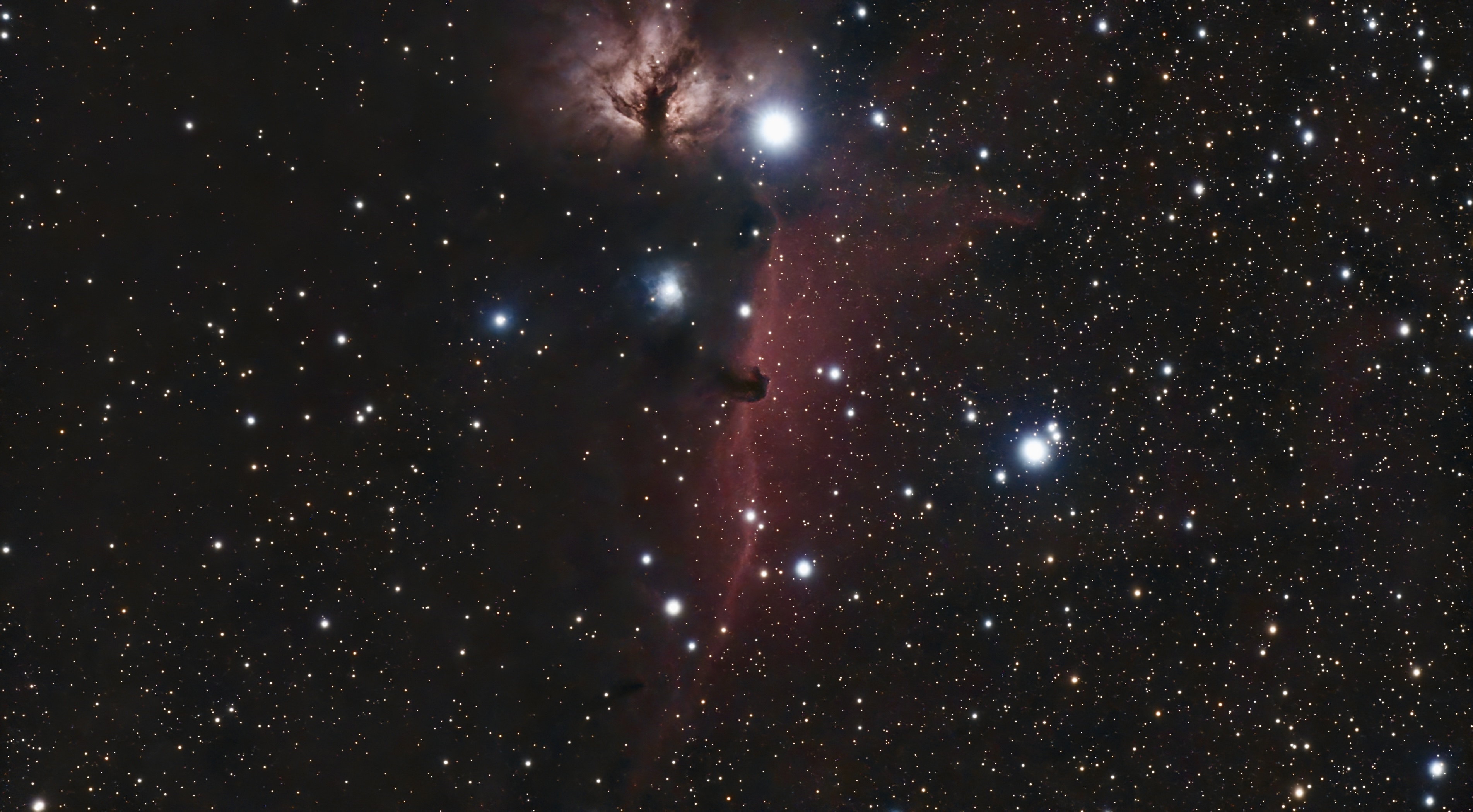
Capturing the Horsehead & Flame Nebulae from the New Forest
One of the most iconic targets in the winter sky — Barnard 33 silhouetted against a glowing hydrogen backdrop, with the Flame blazing alongside it. Here's how I captured both in a single session with the DWARF 3.
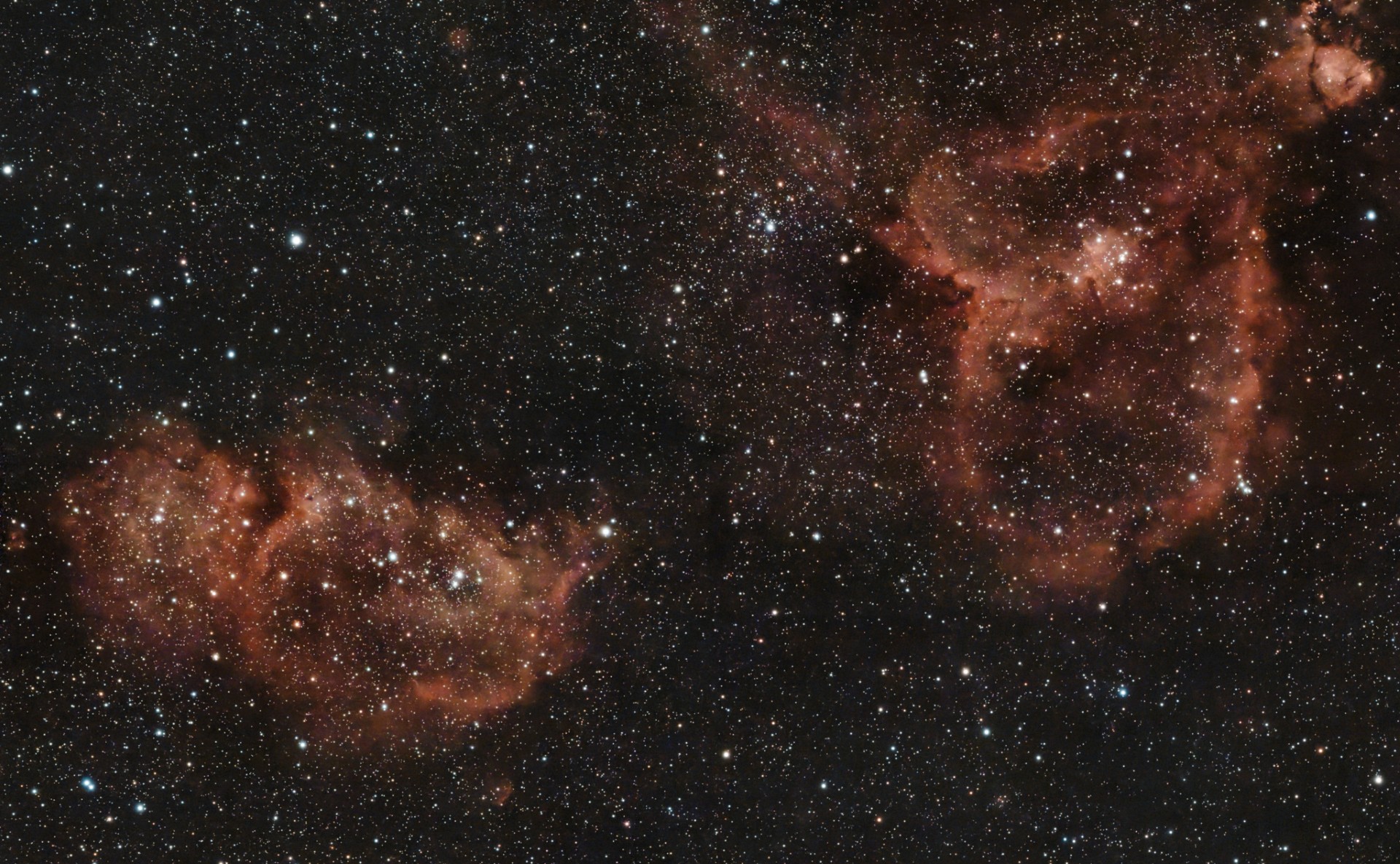
The Heart & Soul Nebulae — A Mosaic from the New Forest
Two vast star-forming regions spanning 300 light-years, captured as a two-panel mosaic with the DWARF 3. The biggest widefield image I've produced — and the most technically demanding session yet.
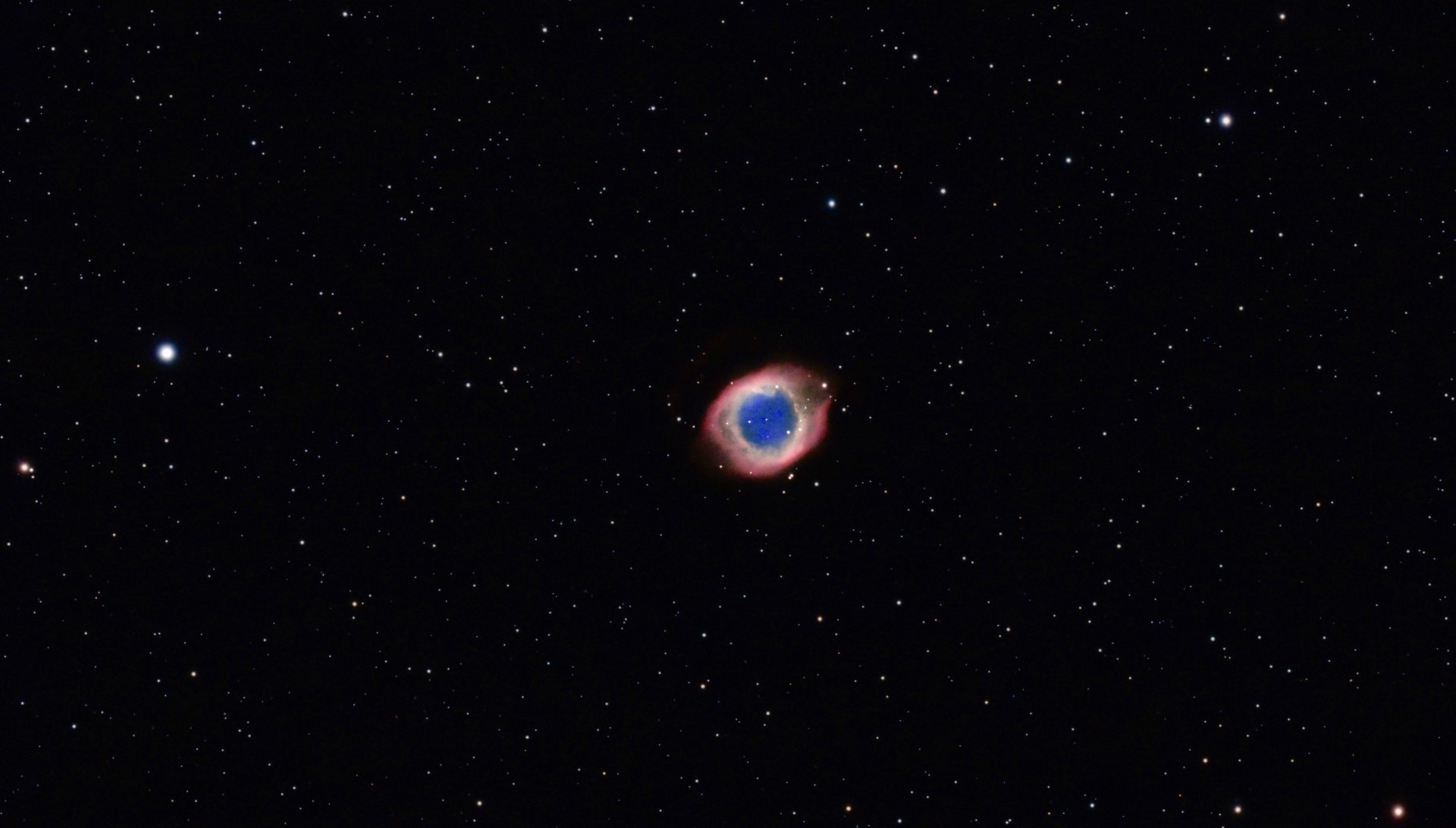
The Helix Nebula — The Eye of God from the New Forest
The closest planetary nebula to Earth, imaged at just 20° altitude from Hampshire. A challenging low-altitude session, but the OIII detail in that iconic blue-green iris made it entirely worth the effort.
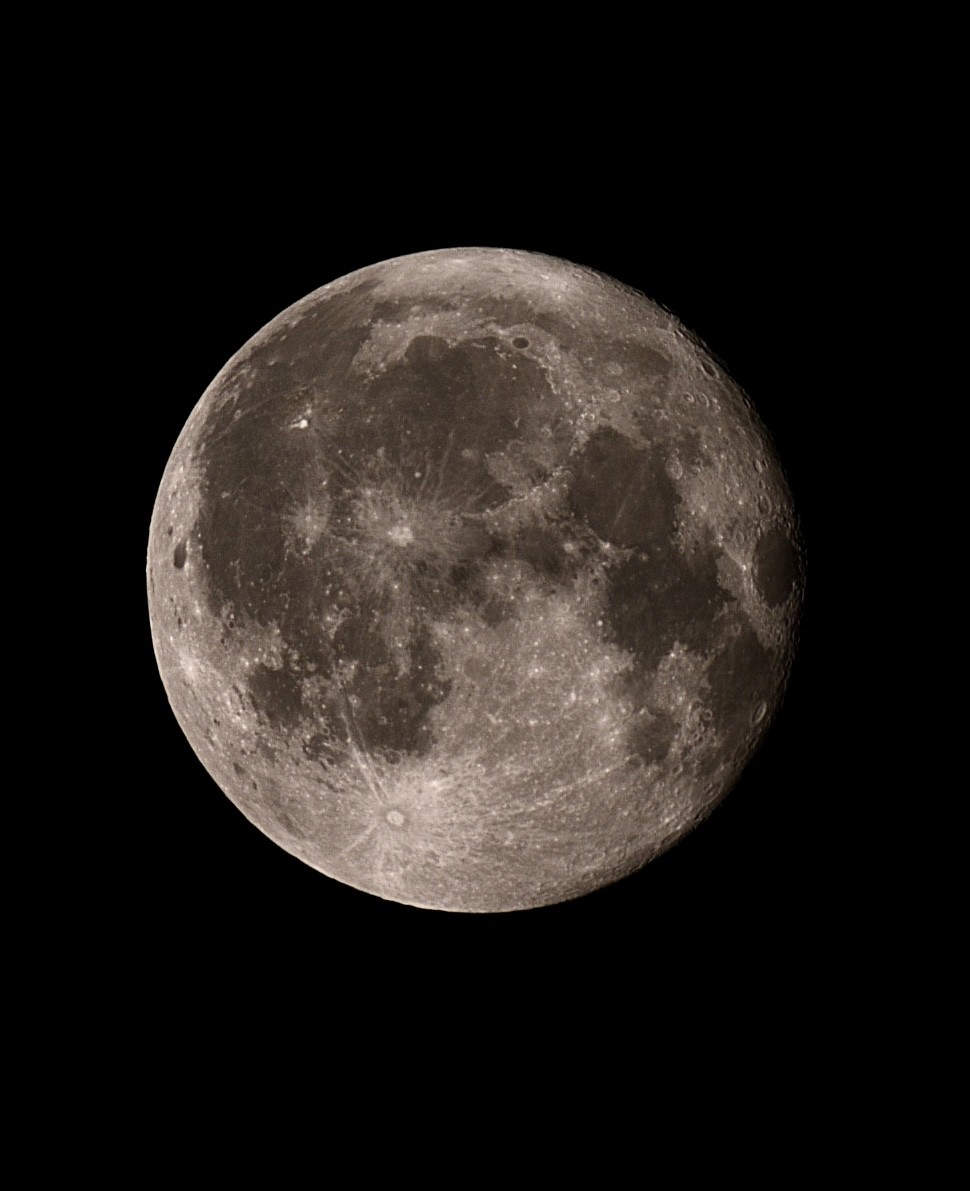
The Moon — Waxing Gibbous at 78%
On nights when the Moon is too bright for deep-sky work, there's only one sensible option — point the DWARF 3 straight at it. Craters, mountain ranges, and the terminator in sharp relief from the New Forest.